

Years from now, your children may not remember how many fasts they completed or how perfectly routines were kept. But they will remember how Ramadan felt in your home.
They will remember warmth, togetherness, quiet moments before iftar. Soft voices in prayer. Stories shared late into the evening. These are the traditions that stay.
Building Ramadan traditions with children is not about adding more to your to-do list. It is about choosing a few meaningful practices that return year after year and grow with your family.
Why Ramadan Traditions Matter for Children
Children yearn familiarity. Traditions give them something to look forward to and something to hold onto.
Ramadan traditions help children
- feel secure and included
- understand that Ramadan is special
- build positive emotional connections with worship
- associate Islam with warmth and love
When traditions are gentle and consistent, they become part of a child’s identity rather than a temporary routine.

Creating a Shared Prayer Tradition
One of the most powerful Ramadan traditions is shared prayer.
It does not have to be every prayer. Even one Salah a day prayed together can become a cherished family moment.
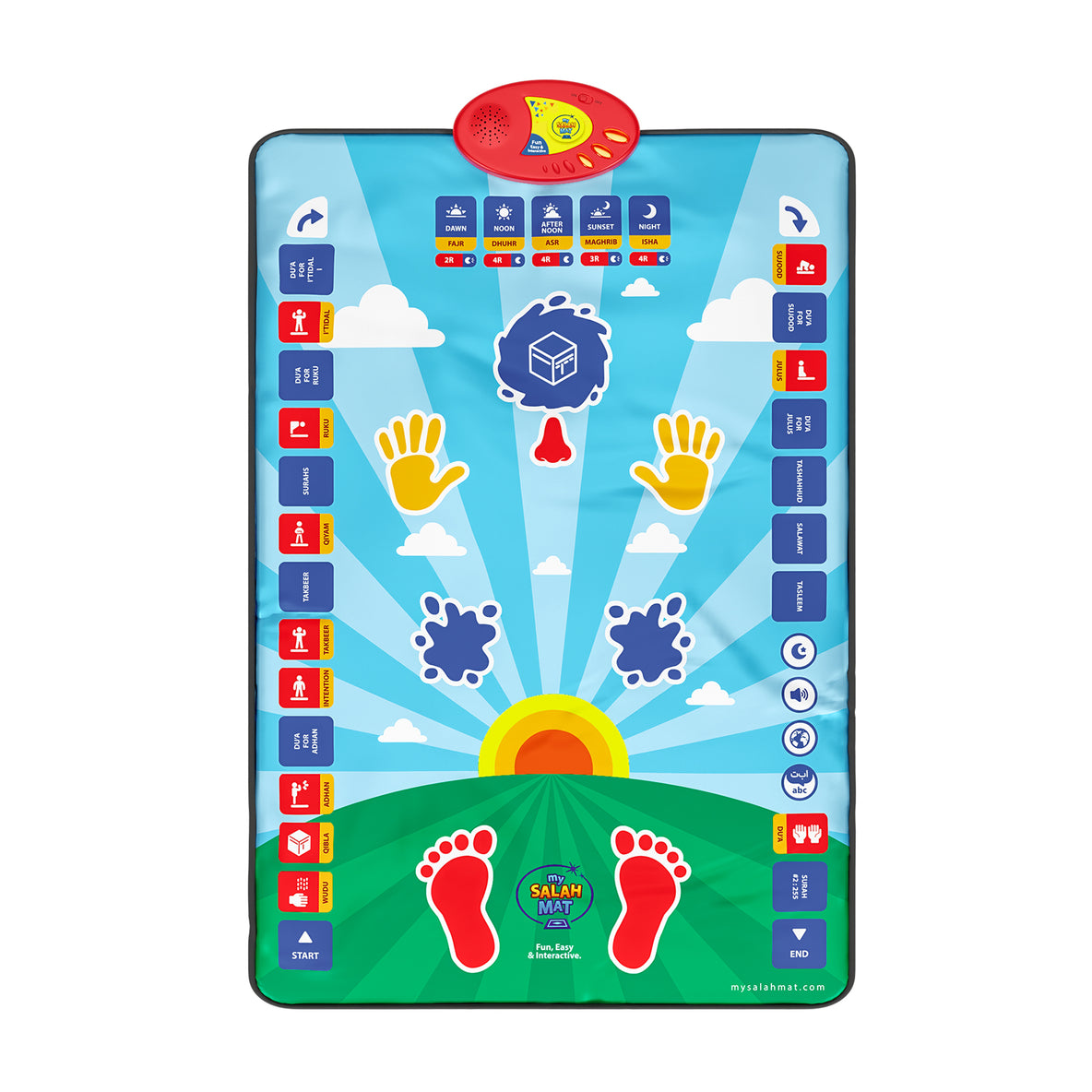
For children, having their own prayer space makes a difference. The Interactive Kids Prayer Mat helps children feel confident and involved. It guides them gently through prayer, allowing them to participate without fear of doing something wrong.
For adults, physical comfort supports spiritual focus. The Adult Padded Prayer Mat helps make longer prayers and quiet reflection more comfortable, especially during Ramadan evenings. When adults feel present and at ease in prayer, children sense that calm too.

Over time, prayer becomes something children associate with connection rather than obligation.
Learning Together Through Prophet Stories
Storytelling is one of the most effective ways to teach children about faith.
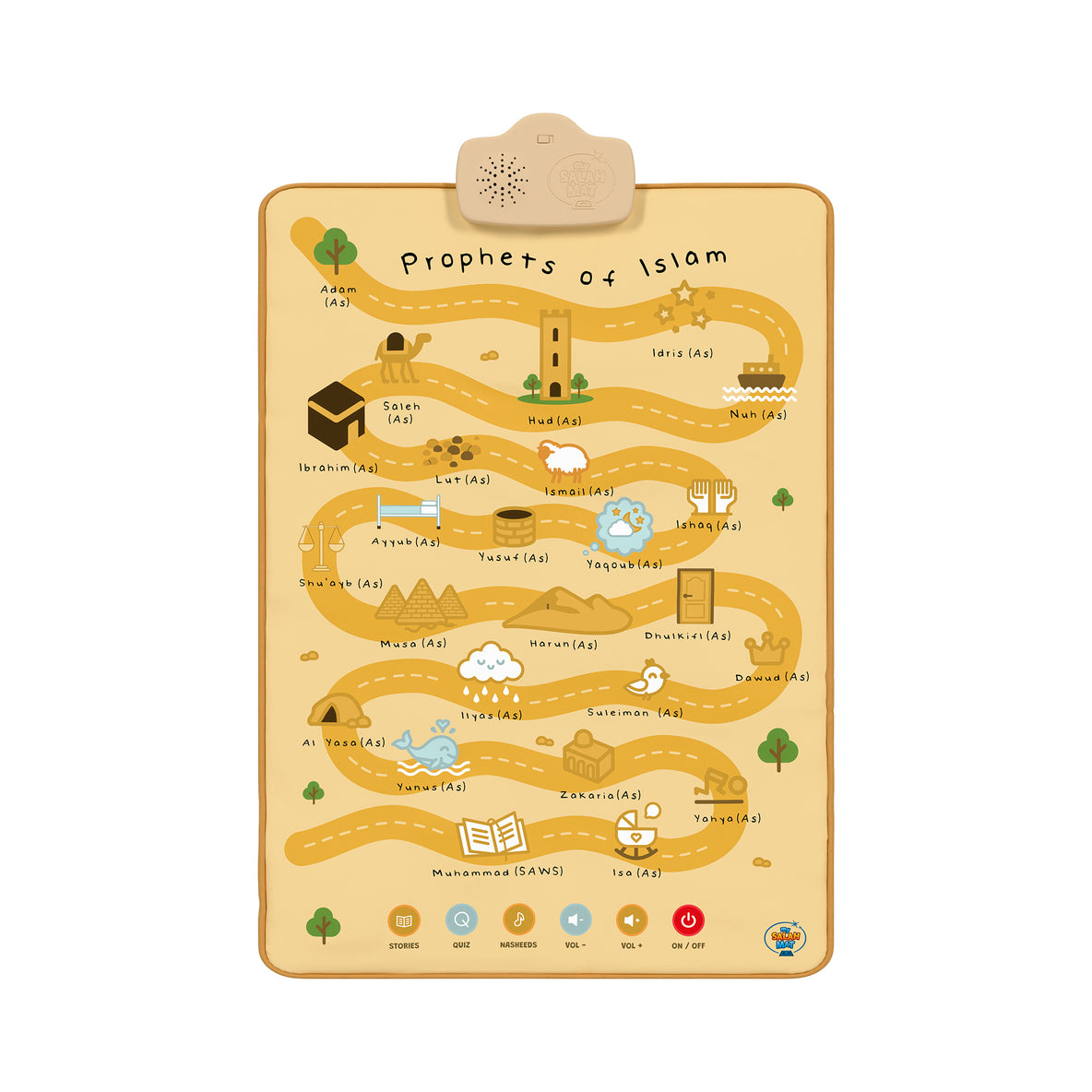
The 25 Prophets Interactive Wall Art allows families to build a simple Ramadan tradition around learning. Many families choose one Prophet each evening to listen to together, followed by a short conversation.
Children learn
- patience through Prophet Nuh
- trust through Prophet Ibrahim
- courage through Prophet Musa
Because the wall art is interactive and visible, learning feels natural rather than scheduled. Children often return to it on their own, reinforcing what they have learned without pressure.
Keeping Traditions Simple and Sustainable
The most beautiful traditions are often the simplest.
Examples of gentle Ramadan traditions include
- a short du’a together before iftar
- one shared prayer daily
- a nightly Prophet story
- a quiet reflection before bedtime
Traditions do not need to be long or elaborate. What matters is consistency and intention. When something is repeated each year, it becomes familiar and comforting.
Letting Traditions Grow with Your Children
What works for toddlers will look different for older children. That is natural.
Allow traditions to evolve. A prayer mat that once supported learning may later support independence. Stories that were once listened to may later be discussed more deeply.
Ramadan traditions should grow alongside your children, meeting them where they are rather than holding them to the past.

A Gentle Closing Reflection
Ramadan traditions are gifts that extend beyond the month itself.
When children grow up remembering Ramadan as a time of peace, learning, and closeness, those memories shape their relationship with faith for life.
FAQs
1. When should families start building Ramadan traditions?
Any time. Even starting with one small tradition this year can grow into something meaningful over time.
2. Do traditions need to be the same every day?
No. Consistency matters more than rigidity. Gentle repetition is enough.
3. How can I include children of different ages?
Choose traditions that can be adapted, such as shared prayer or storytelling, and allow each child to participate at their level.
4. What if we miss a tradition one day?
That is completely okay. Return the next day without guilt. Ramadan is about intention, not perfection.
5. Why are Prophet stories effective for Ramadan learning?
They teach values through real examples and help children connect emotionally to Islamic teachings.
0 comments