

Ramadan has a special atmosphere. The nights feel different. The home feels softer. Children notice it too. But while the month is filled with prayer and worship, keeping children excited about Salah can sometimes feel challenging. From feeling included, capable, and encouraged. When prayer feels welcoming, children lean in. When it feels heavy, they might step back.
For that reason, here are gentle and practical ways to help children stay excited about prayer during Ramadan.
Make Prayer Feel Like a Shared Experience
Children love doing things together. When prayer becomes something the whole family shares, it feels special rather than separate.
Try
- praying one Salah together daily
- letting children stand beside you
- praising effort rather than accuracy
- keeping the atmosphere calm
Even if a child joins for only part of the prayer, that still counts. These moments build positive emotional connections to Salah.

Give Children Their Own Prayer Space
Having something that belongs to them makes children feel valued. A personal prayer space signals that prayer is for them too.
The Interactive Kids Prayer Mat helps children learn Salah step by step through sound and movement. It guides them gently, helping them feel confident rather than confused. Many children feel proud using it independently, especially during Ramadan when prayer is more visible at home.
Using the mat before Ramadan begins also helps children feel familiar and ready when the month starts.

Celebrate Small Wins
Children stay motivated when their effort is noticed.
Celebrate
- remembering a movement
- joining one prayer
- standing quietly
- trying again after getting distracted
Avoid correcting too much. Focus on encouragement. When children feel safe to try, they are more likely to return to prayer willingly.
Connect Prayer to Meaningful Stories
Children understand prayer better when they connect it to real people and stories. Learning about the Prophets helps children see why prayer matters.
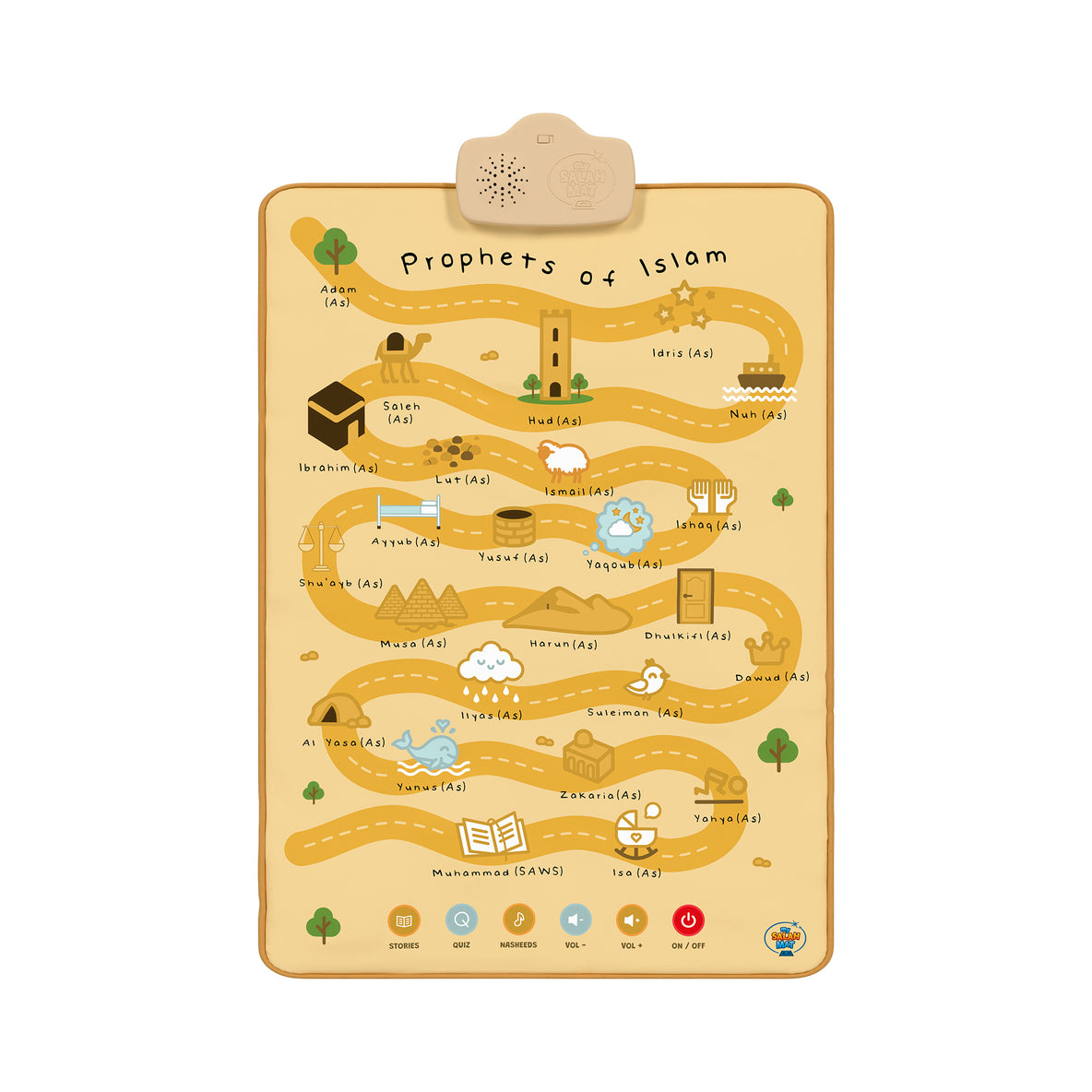
The 25 Prophets Interactive Wall Art introduces children to the Prophets through simple audio storytelling. Many families choose one Prophet each evening and briefly talk about their patience, trust in Allah, or dedication to worship.
This helps children understand that prayer is something practiced by people they admire and learn from.
Keep Prayer Short and Consistent
Long prayers can feel overwhelming for children. Short, regular prayer moments are more effective.
A few minutes daily builds habit. Over time, children naturally stay longer as their comfort grows. Consistency creates excitement because prayer feels familiar rather than demanding.
Create a Positive Ramadan Atmosphere Around Prayer
Children absorb the emotional tone of the home.
If prayer is rushed, tense, or stressful, they sense it. But if it is calm and gentle, they would feel safe.
Simple ways to create positivity include
- soft lighting
- quiet voices
- a clean prayer space
- gentle reminders
Ramadan is not about forcing prayer. It is about nurturing love for it.

A Gentle Closing Reflection
Children do not need to be perfect worshippers to be loved by Allah. It is okay if they make mistakes. What they need is encouragement, patience, and time.
When prayer is associated with warmth, praise, and togetherness, children naturally grow excited about it. These early experiences shape how they view Salah for the rest of their lives.
May Allah place barakah in every small step our children take toward prayer, and may Ramadan be a time where Salah becomes something they look forward to, not something they fear.
FAQs
1. At what age should children start praying in Ramadan?
Children can begin learning prayer at any age in age appropriate ways. Joining briefly, copying movements, or listening all count.
2. What if my child loses interest quickly?
That is normal. Keep prayer short, positive, and consistent. Interest grows over time with encouragement.
3. How can tools like prayer mats help?
Interactive prayer mats provide guidance and confidence, helping children understand what to do without constant correction.
4. Do children need to pray all five prayers?
It is not obliged until they reach their baligh age. Start small. Even one prayer a day during Ramadan is a beautiful beginning.
5. How can stories help motivate children to pray?
Stories of the Prophets help children see prayer as meaningful and inspiring rather than routine or forced.
0 comments