

For many Muslims, the last ten nights of Ramadan bring a renewed focus on worship, reflection, and drawing closer to Allah. One of the most beautiful traditions during this time is I'tikaf, where a person dedicates time to worship, reflection, and remembrance.
While I'tikaf is often associated with staying in the mosque, many parents wonder how they can introduce the spirit of I'tikaf at home while caring for their children. The good news is that I'tikaf does not have to be complicated to be meaningful. With a little intention and creativity, families can create an environment where both parents and children benefit from these blessed nights.
Understanding the Spirit of I'tikaf
At its heart, I'tikaf is about creating space for worship and reflection. It allows a believer to pause from the distractions of daily life and focus on prayer, Qur’an, and du’a.
For parents, the goal is not to replicate a mosque environment perfectly. Instead, it is to introduce children to the spirit of quiet worship and reflection in ways that feel welcoming and achievable.
Even short moments of dedicated worship during the final nights can help children understand why these nights are so special.
Creating a Simple I'tikaf Space at Home
A small prayer corner can transform the atmosphere of the home during the last ten nights. This space does not need to be elaborate. A clean prayer mat, a Qur’an, and a quiet environment are enough.
You might include:
-
A dedicated prayer area for night prayers
-
Soft lighting to create a calm atmosphere
-
A few Islamic learning resources for children
-
A reminder to make du’a together
When children see a special space set aside for worship, they begin to understand that these nights are different from the rest of Ramadan.

Helping Children Participate in I'tikaf
Children do not need to stay awake all night to participate in I'tikaf. Instead, invite them to take part in small ways.
They might:
-
Join a short prayer before bedtime
-
Listen to a story from Islamic history
-
Make a du’a for their family or friends
-
Spend a few minutes reflecting quietly
These small actions help children feel included and connected to the spiritual significance of the last ten nights.
Learning Through the Stories of the Prophets
Stories are one of the most effective ways for children to understand faith. During I'tikaf nights, sharing the stories of the Prophets can help children reflect on patience, trust in Allah, and perseverance.
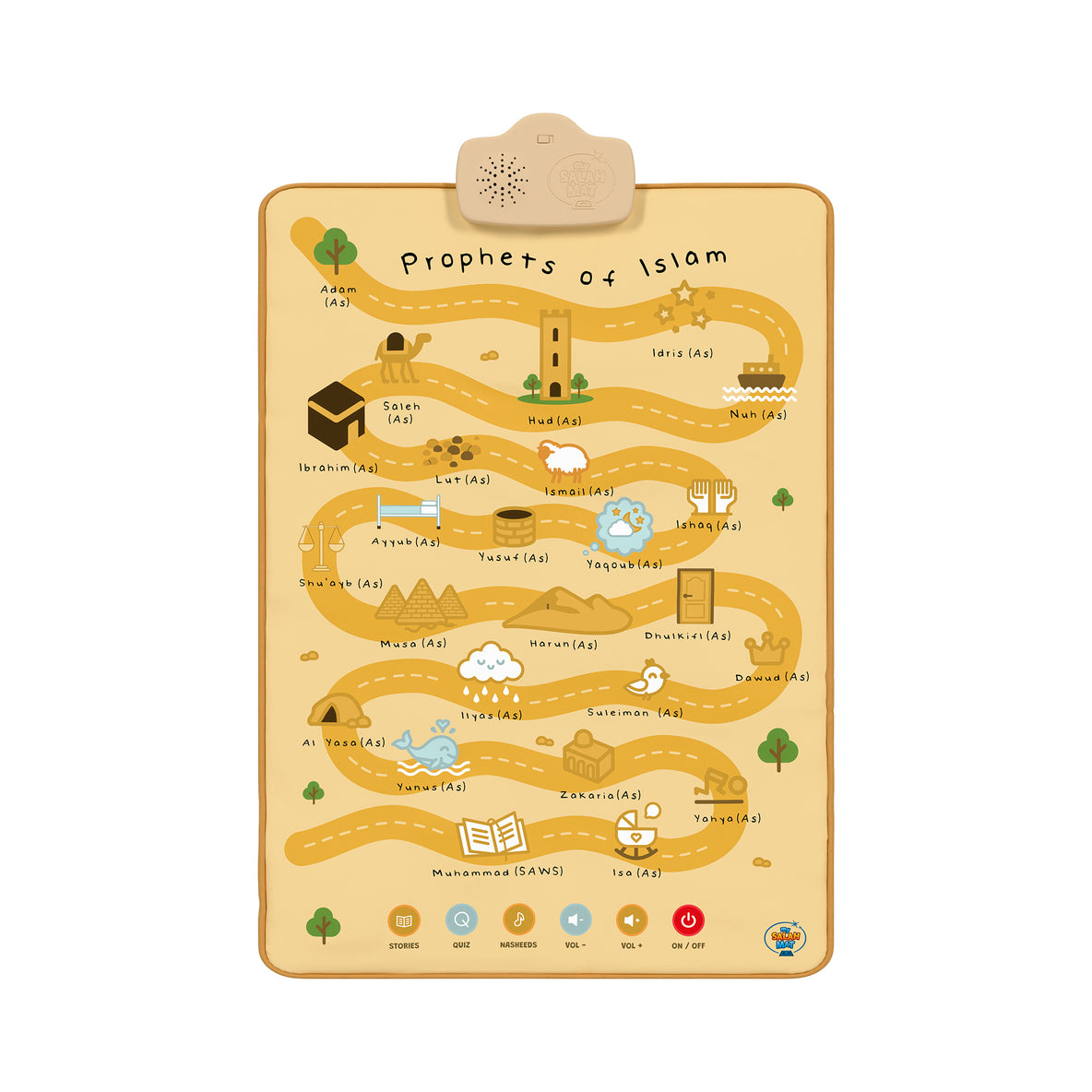
The 25 Prophets Interactive Wall Art makes this learning engaging by allowing children to listen to the stories and names of the Prophets in an interactive way. It encourages curiosity and gives children an opportunity to revisit these stories again and again.
For quieter moments, the FREE 25 Prophets Flashcards offer a simple way to review the names of the Prophets and spark discussion. Parents can ask questions like:
-
What do you remember about this Prophet?
-
What lesson can we learn from their story?
-
How did they show patience and faith?
These reflections help children connect Islamic history with their own lives.
Balancing Worship and Family Life
Parents sometimes feel pressure to do more during the last ten nights, but it is important to remember that quality matters more than quantity.
Short, sincere moments of worship can be more meaningful than long sessions filled with distraction. When children see their parents balancing worship with kindness and patience, they learn that faith is lived in everyday actions.

A Gentle Closing Reflection
I'tikaf is ultimately about drawing closer to Allah. For families, it is also an opportunity to teach children the beauty of reflection and remembrance.
By creating small traditions, sharing the stories of the Prophets, and encouraging sincere du’a, parents can help their children experience the spirit of I'tikaf in a way that feels natural and memorable.
These moments may seem simple now, but they often become the memories that shape a child’s relationship with faith for years to come.
FAQs
1. Can families observe I'tikaf at home?
Yes. While traditional I'tikaf takes place in a mosque, families can create a dedicated space at home for worship and reflection during the last ten nights.
2. How can children take part in I'tikaf?
Children can join short prayers, listen to Prophet stories, make du’a, or spend quiet time reflecting.
3. Why are stories of the Prophets helpful during I'tikaf?
They teach important lessons about patience, faith, and perseverance in a way that children can understand.
4. What resources can help children learn about the Prophets?
Interactive tools like the 25 Prophets Wall Art and the Free 25 Prophets Flashcards make learning engaging and memorable.
5. Do children need to stay awake during the entire night?
No. Even small moments of participation can help them feel connected to the significance of the last ten nights.
0 comments