

Ramadan is not meant to drain us. It is meant to renew us. Yet many families reach the middle of the month feeling exhausted, rushed, and disconnected from the very purpose of Ramadan. Between late nights, early mornings, and busy days, it can feel difficult to maintain balance.
A healthy Ramadan routine is not about doing everything. It is about creating a rhythm that supports the body, nurtures the soul, and keeps families connected.
Nourishing the Body with Balanced Meals
Food in Ramadan is fuel, not the focus. Suhoor and iftar set the tone for the day and evening, so keeping them simple and nourishing helps everyone feel more settled.

For suhoor, aim for foods that sustain energy, such as:
- whole grains
- protein
- fruit
- plenty of water
For iftar, begin gently. Dates and water following a light meal, help the body adjust after fasting. Heavy meals can make prayer and family time feel difficult.
Involving children in small meal preparations helps them feel part of the routine and teaches them that Ramadan is about care, not excess.
Anchoring the Day Around Prayer
Prayer brings structure to Ramadan. When prayers are treated as anchors rather than interruptions, the entire day begins to flow differently.
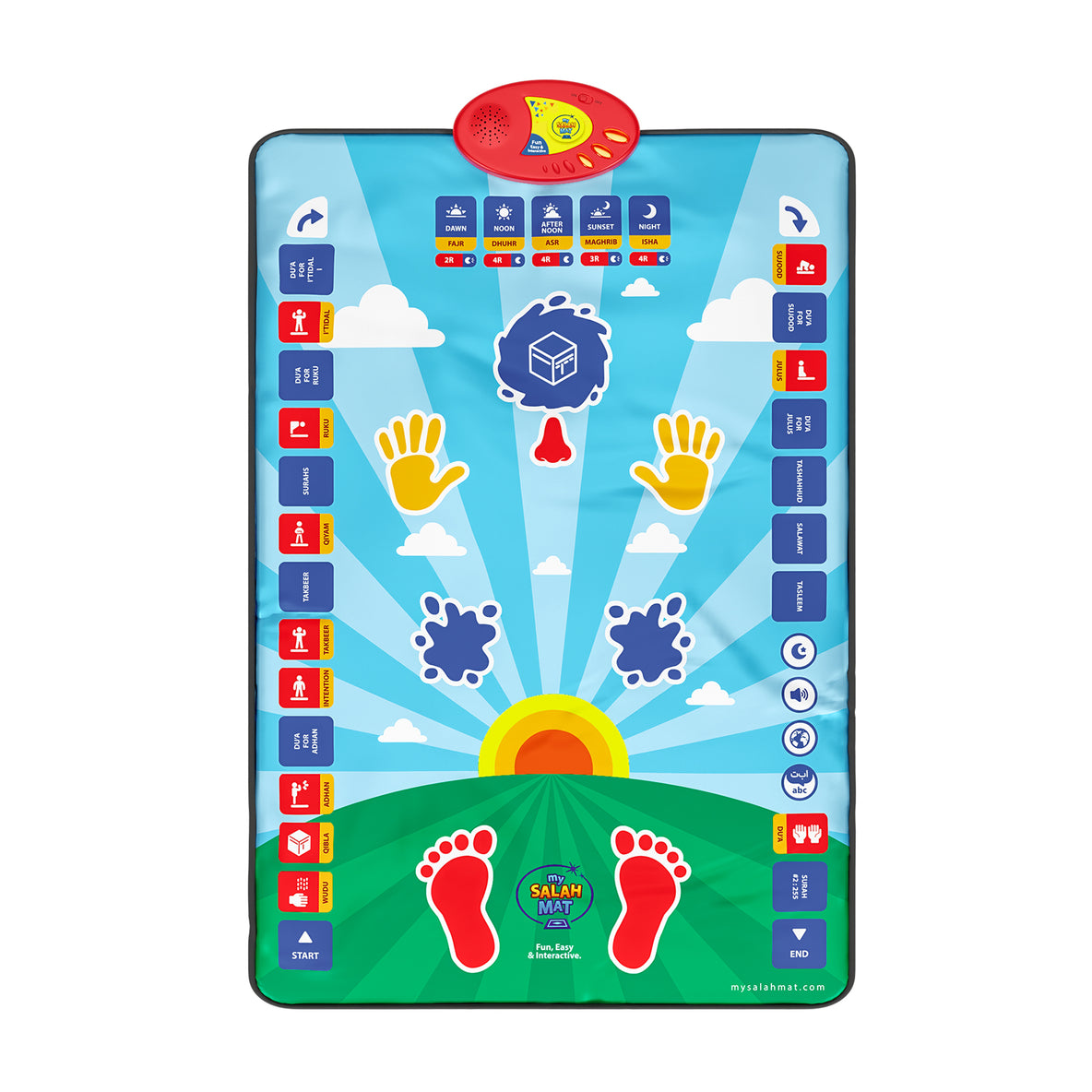
For children, having their own prayer space builds confidence and comfort. The Interactive Kids Prayer Mat helps children learn and practise Salah step by step in a way that feels encouraging. Many families use it before Ramadan begins so children feel familiar with prayer when the month arrives.
For adults, physical comfort plays a role in spiritual focus. The Adult Padded Prayer Mat supports longer prayers and quiet reflection, helping reduce discomfort and allowing the mind to remain present during Salah.

When prayer feels accessible for everyone, it becomes easier to protect time for it.
Making Family Time Meaningful
Ramadan offers a rare opportunity for families to slow down together. Even small shared moments can have a lasting impact.
Simple family practices include
- praying at least one Salah together
- sharing a short reflection after Maghrib
- reading or listening to an Islamic story
- making du’a as a family

These moments do not need to be long. Consistency and warmth matter more than length.
Learning Together Through the Stories of the Prophets
Children often connect deeply with stories. Learning about the Prophets during Ramadan helps them understand patience, trust, gratitude, and perseverance.
The 25 Prophets Interactive Wall Art brings these stories into daily life in a gentle and engaging way. With simple audio, children can learn the names and stories of the Prophets at their own pace.
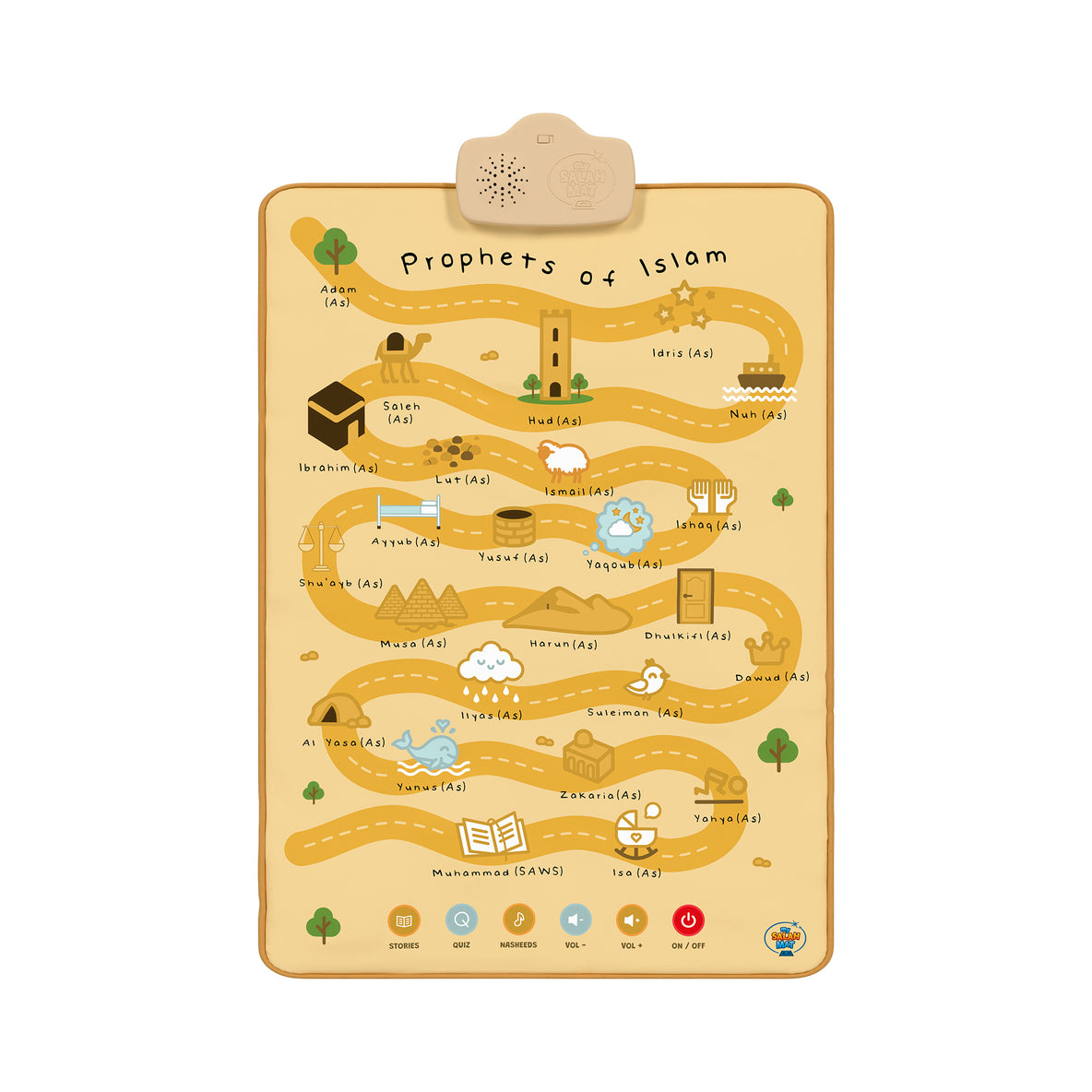
Many families choose one Prophet each evening to listen to and briefly discuss. This creates a natural learning rhythm without adding pressure to already full days.
Protecting Rest and Emotional Wellbeing
Ramadan routines should support rest, especially for children.
Earlier bedtimes when possible, quieter evenings, and realistic expectations help prevent burnout. It is okay if not every night includes extra prayers or activities.
A healthy Ramadan routine leaves room for rest, reflection, and flexibility.
A Gentle Closing Reflection
Ramadan is not about perfection. It is about balance.
When meals nourish, prayer grounds the day, and family time is protected, Ramadan becomes something families experience together rather than rush through.
May Allah place barakah in every routine built with intention, and may He grant our families a Ramadan filled with health, peace, and connection.
FAQs
1. How can families maintain energy during Ramadan?
Balanced meals at suhoor and iftar, proper hydration, and adequate rest help maintain energy throughout the month.
2. How can children stay engaged in prayer during Ramadan?
Giving children their own prayer space and tools like the Interactive Kids Prayer Mat helps build confidence and consistency.
3. Is it important to pray together as a family?
Praying together strengthens family bonds and helps children learn by example, even if it is just one prayer a day.
4. How can we include learning without overwhelming children?
Short, consistent learning moments, such as listening to one Prophet’s story daily, are more effective than long sessions.
5. What if our Ramadan routine is not consistent every day?
That is normal. Returning gently to routine without guilt is part of a healthy Ramadan.
0 comments