

For many children, Taraweeh can feel long, quiet, and confusing.
They see adults standing for extended periods. They hear recitation they do not yet understand. They try to stay still but struggle. And often, without realising it, they begin to associate Taraweeh with difficulty rather than devotion.
But Taraweeh does not have to feel heavy for children. When approached with gentleness and intention, it can become something they look forward to, even if they only take part in small ways.
Understanding What Children Are Really Learning
Children are not learning Taraweeh by completing it.
They are learning it by experiencing it.
They learn from
- the atmosphere
- the calmness of the home
- the tone of the adults
- how welcomed they feel
A child who stands for two rak‘ahs happily is learning more than a child who is forced to stand through twenty in frustration.
Taraweeh for children is about exposure, not endurance.

Lowering Expectations and Raising Spiritual Connection
One of the most important steps is letting go of adult expectations.
Children do not need to stand for the full prayer. They do not need to follow every movement perfectly. They do not need to stay quiet for long periods.
Instead, invite them in gently.
You might
- let them join for the opening takbir
- allow them to pray a few rak‘ahs
- give them space to sit nearby
- let them leave when they need to
When children feel safe to step in and out, they are more likely to return willingly.
Giving Children Their Own Way to Participate
Children stay engaged when they feel capable.
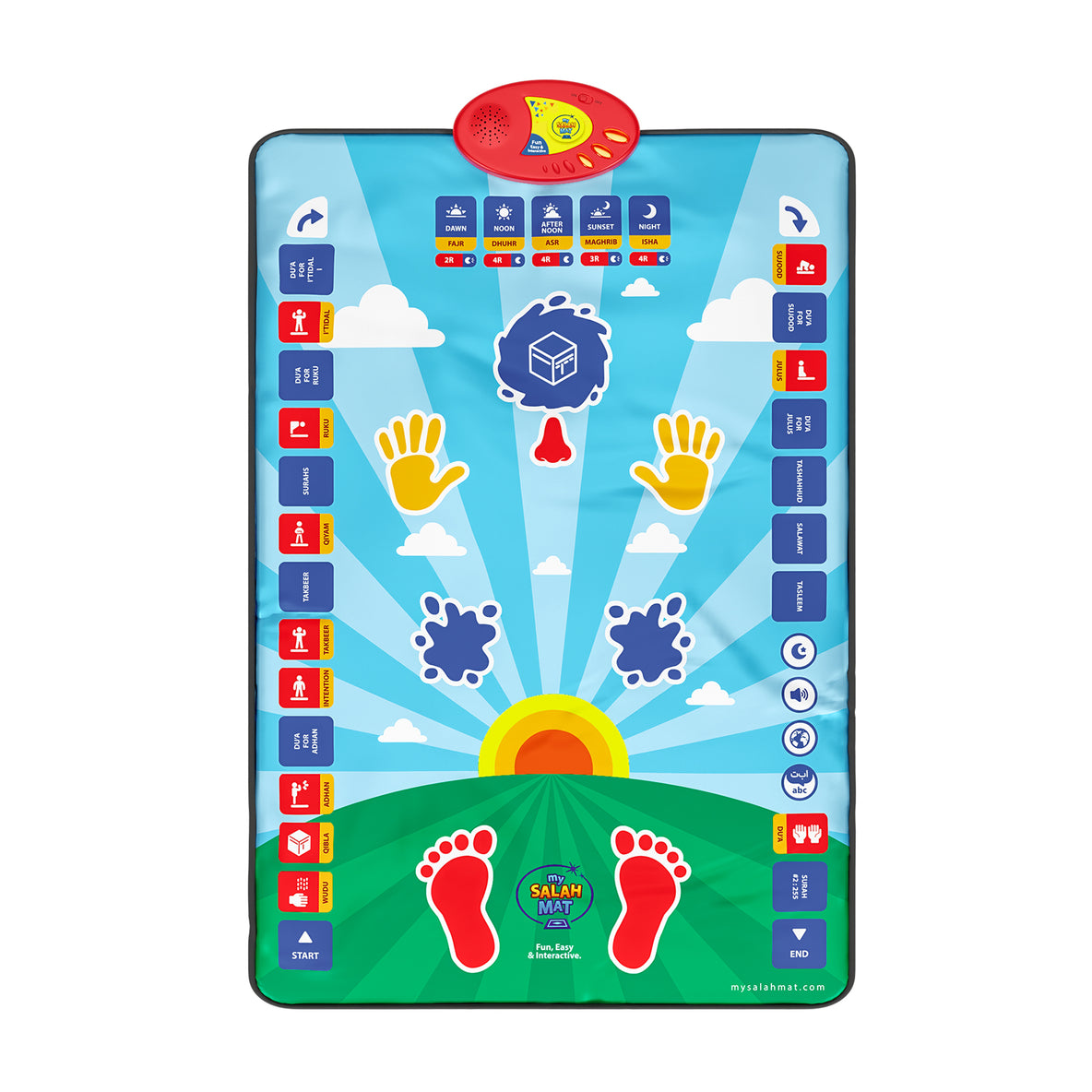
Having their own prayer space makes a difference. The Interactive Kids Prayer Mat helps children follow the movements of Salah step by step, giving them confidence and familiarity. When used earlier in the day, it prepares them for Taraweeh by helping them recognise positions and recitations.
Many parents allow children to use the mat before or after Taraweeh rather than expecting them to keep up throughout the full prayer. This keeps the experience positive and age appropriate.
The goal is not to replicate the adult experience, but to build comfort and joy around prayer.
Making the Atmosphere Inviting
Children are highly sensitive to emotional tone.
If Taraweeh feels tense, rushed, or stressful, they absorb that. If it feels calm and warm, they feel at ease.
Simple ways to create a welcoming atmosphere include
- soft lighting
- quiet voices
- gentle reminders
- positive reinforcement
Some families also allow children to sit with a small book or quietly colour nearby. Being present in the space still counts.
Talking About What Taraweeh Is
Children are more engaged when they understand why something matters.
Explain Taraweeh simply.
That it is a special Ramadan prayer.
That we listen to the Qur’an.
That it is a way of drawing closer to Allah.
Keep explanations short and repeat them over time. Understanding grows gradually.

Ending on a Positive Note
Always end Taraweeh with encouragement.
Thank children for trying. Praise effort, not behaviour. Let them know Allah loves every small step they take toward Him.
When children leave Taraweeh feeling valued rather than corrected, they carry that feeling forward.
A Gentle Closing Reflection
Children do not need Taraweeh to be perfect for it to be meaningful.
They need it to be kind, to feel safe, and to feel welcomed into worship at their own pace.
When Taraweeh is approached with mercy, it becomes a memory children return to with warmth rather than resistance.
May Allah place barakah in every small effort our children make, and may He allow Taraweeh to become a source of love and light in their hearts.
FAQs
1. Should children stay for the full Taraweeh prayer?
No. Children can join for as much or as little as they are able. Even a few minutes is beneficial.
2. What age can children start joining Taraweeh?
Children can be introduced at any age in gentle ways, such as standing briefly, sitting nearby, or listening quietly.
3. How can I help my child feel confident during Taraweeh?
Using child friendly tools like a Kids Prayer Mat earlier in the day helps children recognise movements and feel more comfortable joining in.
4. Is it okay if my child moves or gets distracted?
Yes. Movement and distraction are normal for children. Patience and encouragement matter more than stillness.
5. What matters most when teaching kids about Taraweeh?
Building positive emotional associations with prayer. Love for worship lasts longer than forced routines.
0 comments