

The last 10 nights of Ramadan carry a different feeling.
The home becomes quieter, the atmosphere softens, the nights might feel longer. For adults, it is a time of increased worship and reflection. For children, it can feel mysterious and important, but sometimes confusing.
Teaching kids about the last 10 nights does not require complex explanations. It requires simple truths, gentle routines, and meaningful moments.
Explaining Why the Last 10 Nights Matter
Children understand significance when it is framed simply.
You might explain:
- These nights are special because the Qur’an was revealed.
- One of these nights is Laylatul Qadr, a night better than a thousand months.
- We try a little harder in these nights because they are a gift from Allah.
Keep it short. Repeat it often. Let curiosity grow naturally.
When children understand that these nights are valuable, they begin to treat them differently.

Creating Small, Manageable Night Routines
Children do not need to stay up all night to feel included.
Instead, consider:
- Praying one extra rak‘ah together
- Making a short du’a before bed
- Reading a simple story about strong Muslim role models
- Listening to one short reminder
The Kids Interactive Prayer Mat can help children feel confident participating in prayer during these nights. It guides them step by step, allowing them to practise calmly without feeling overwhelmed.
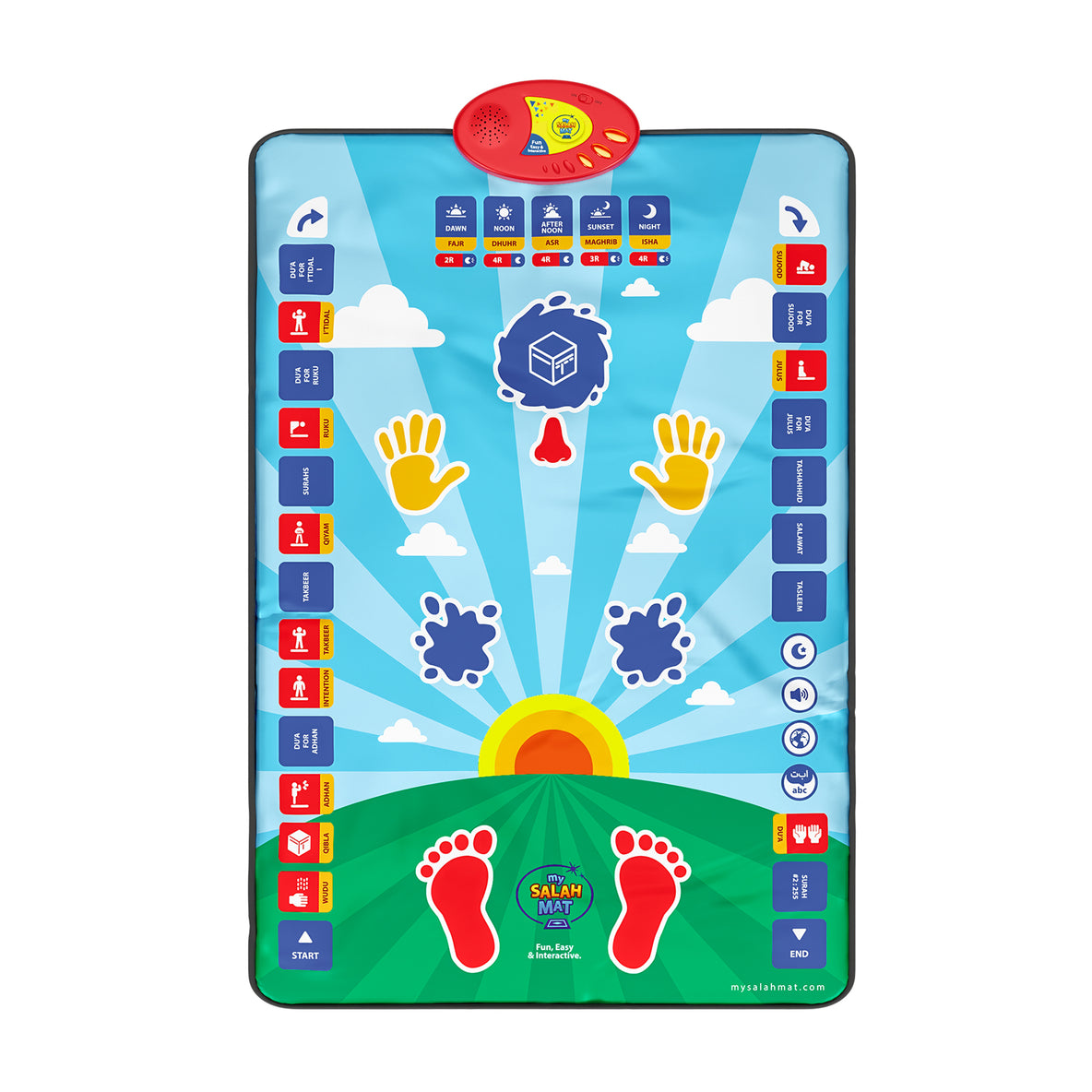
For adults, especially during longer evening prayers, the Adult Padded Prayer Mat offers comfort and support. When adults are physically comfortable, they are more present, and children notice that calm focus.

Even brief, consistent participation helps children feel included in the spirit of the last 10 nights.
Teaching Through Role Models
Children connect deeply with stories.
The Women in Islam Interactive Wall Art offers powerful role models to reflect upon during the last 10 nights. Stories of Maryam, Khadijah, Aisha, and others help children understand devotion, patience, and strength.
You might choose one woman each night and share one lesson:
Her patience, courage, worship, and/or her trust in Allah
These stories anchor the meaning of worship in real people rather than abstract ideas.

Encouraging Du’a from the Heart
The last 10 nights are especially known for du’a.
Teach children simple phrases like asking Allah for forgiveness, mercy, and goodness. Encourage them to speak in their own words. Ask them what they would like to ask Allah for.
Even a short, sincere du’a from a child is powerful.
When children learn that these nights are a time to speak to Allah openly, they begin to value the opportunity.
Keeping It Gentle and Positive
The goal is not intensity. It is awareness.
If a child becomes tired, allow rest. If they lose focus, bring them back gently. The emotional memory of these nights matters more than rigid participation.
When children associate the last 10 nights with warmth, calm, and inclusion, they grow into adults who value them deeply.

A Gentle Closing Reflection
The last 10 nights of Ramadan are a gift.
Teaching children about them is not about increasing pressure, but about increasing understanding. Small acts done sincerely in these nights carry immense weight.
May Allah allow our children to witness Laylatul Qadr with hearts full of hope, and may these nights become treasured memories that shape their faith for years to come.
FAQs
1. Do children need to stay up late during the last 10 nights?
No. Children can participate in small, age-appropriate ways without losing sleep.
2. How can I explain Laylatul Qadr simply?
Explain that it is a very special night when rewards are multiplied and Allah’s mercy is especially near.
3. How can prayer mats help during these nights?
Prayer mats provide structure and comfort, helping both children and adults focus calmly during worship.
4. Why are stories of women in Islam helpful in teaching worship?
They provide relatable role models who show what devotion and patience look like in real life.
5. What matters most when involving children in the last 10 nights?
Creating positive emotional connections with worship rather than enforcing long routines.
0 comments