

Message from the writer: "As Muslim parents, we all want our children to grow up with a natural love for Islam. We hope they feel joy in Salah, excitement when learning the Qur’an, and pride in discovering their deen. Sometimes the challenge is that Islamic learning at home can feel daunting. Children get distracted, parents feel unsure, and what should be uplifting can turn into stress. But with the right tools, we can help our children connect to Allah in ways they will cherish for a lifetime. Here are five simple and joyful ways to make Islamic learning exciting at home."
How can I make Islamic learning joyful for my children?
The key is to create positive experiences, using stories, creativity, and hands-on tools that capture attention and spark curiosity. These five resources are designed to help families bring Islam to life at home.
Salah Made Simple with the Kids Prayer Mat
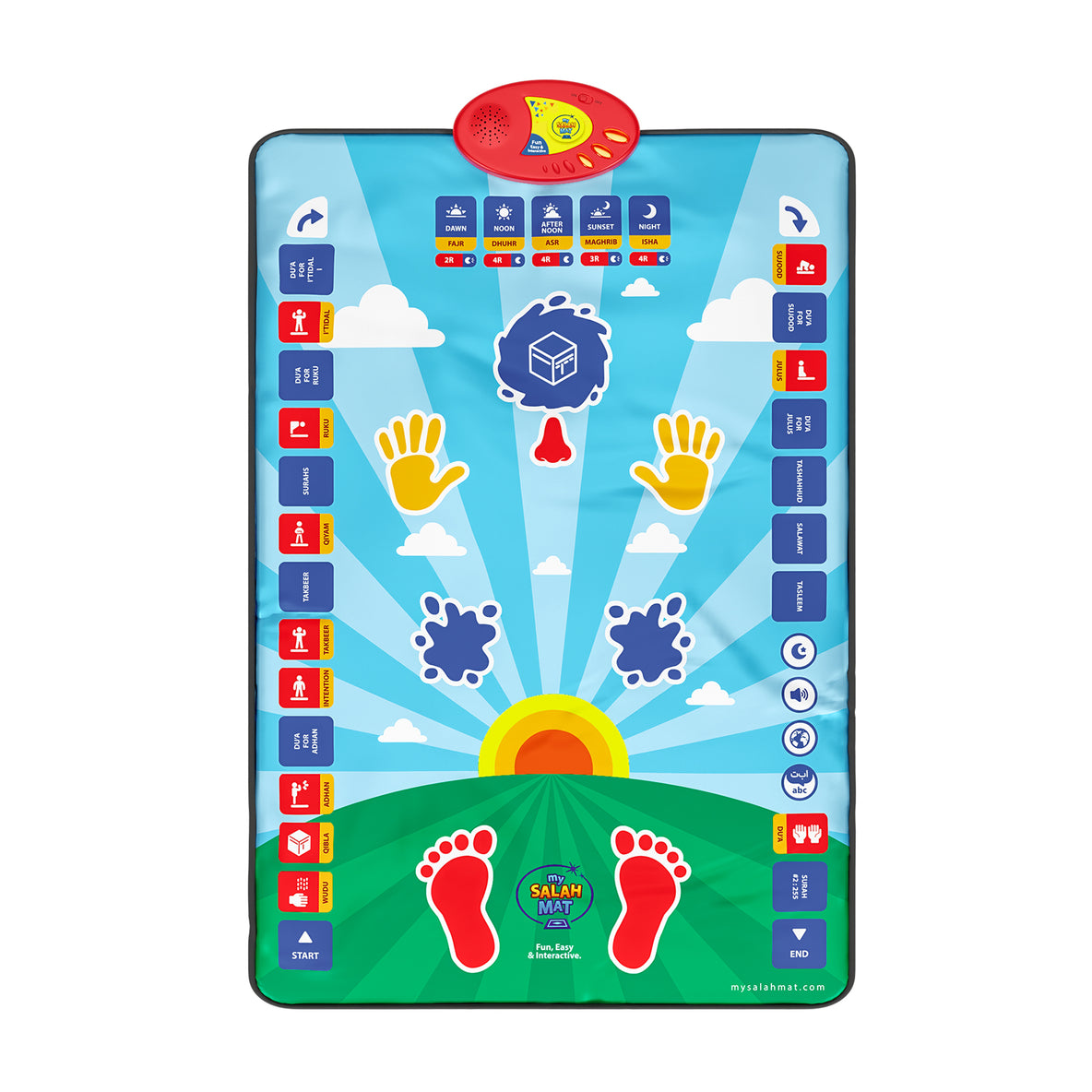
Learning Salah does not need to feel difficult. The Interactive Kids Prayer Mat guides children step by step with touch-sensitive buttons, lights, and real audio. They can practise Wudu, Surahs, and prayer positions in a way that feels playful and exciting. Instead of being told what to do, children explore Salah themselves, turning it into a learning journey they enjoy.
Building Confidence in Prayer with the Adult Prayer Mat
Islamic learning is for adults too. The Interactive Adult Prayer Mat helps reverts, parents, and anyone who wants to strengthen their Salah. With translations and clear guidance, it supports every stage of prayer, building confidence with each sujood. Parents can learn alongside their children, creating a family routine where everyone is supported in their worship.

Early Qur’an Learning at Home with the Quran Pad
Even from a young age, children can start connecting with the Qur’an. The Quran Pad introduces Arabic letters, vowel sounds, words, animals, Surahs, and nasheeds in a screen-free and engaging way. With push-back keys and audio recitation, it encourages repetition and memory. Parents love the peace of mind it brings, knowing their children are learning through play while building the foundation of Qur’an recitation.

Inspiring Faith Through Interactive Islamic Wall Art
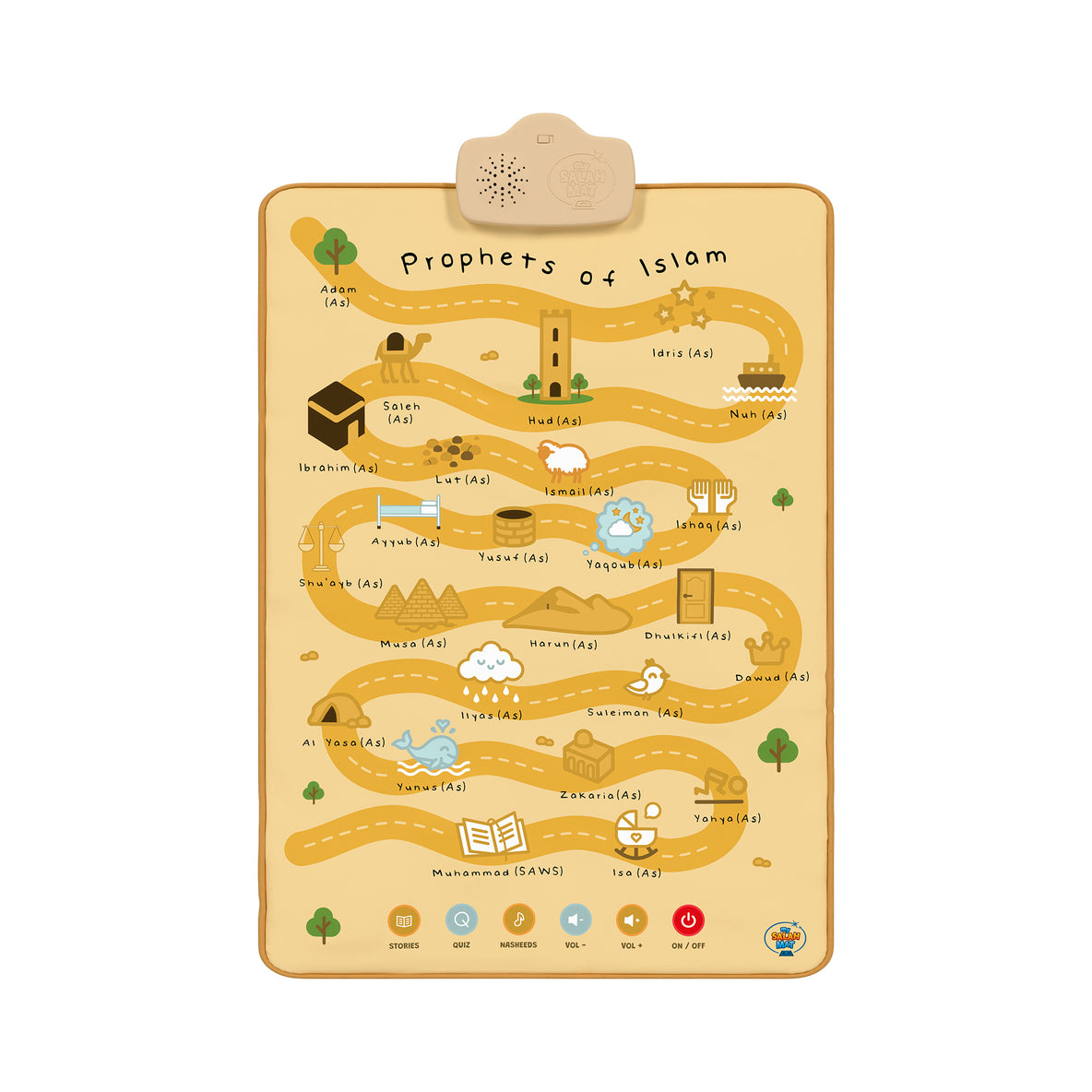
Learning can also be part of your home environment. The 99 Names of Allah Audio Mat & Wall Art and the Prophets of Islam Audio Mat & Wall Art make beautiful additions to any room while teaching children through audio, light, and quizzes. With just a press of a button, children can hear the stories of the Prophets or memorise Allah’s Names. These pieces decorate the home with meaning and spark family discussions about faith and history.
Exploring Islam Together with Our Children’s Books
Stories capture the imagination like nothing else. Our children’s books such as Ramadan in Space, Train to Al-Aqsa, The Key & The Olive Tree, and Mansa Musa take children on adventures that carry timeless lessons. Whether it is exploring Ramadan on a rocket, learning about Palestine, or journeying with a king to Hajj, these stories make Islam relatable and exciting. Reading together creates special family moments that children remember long after the book is closed.

Why does making learning fun matter?
When children see Islam as something joyful, it becomes part of who they are. The way we teach them now, with positivity, creativity, and love, shapes the way they carry their faith into the future.
By surrounding our homes with tools like interactive prayer mats, Qur’an learning devices, wall art, and storybooks, we build an environment where Islam is not just taught, but lived with happiness.
You may also like to read:
Building Stronger Family Bonds Through Prayer and Daily Reflection
FAQs
1. Why is it important to make Islamic learning fun at home?
When children enjoy learning about Islam, it becomes part of their everyday life rather than a task. Fun, hands-on activities help them build a positive emotional connection to their faith, making learning both memorable and meaningful.
2. How can parents make Islamic learning more engaging for children?
Parents can use storytelling, creative play, and interactive tools like the Kids Prayer Mat or Quran Pad to turn lessons into experiences. The goal is to make every learning moment joyful and rooted in love for Allah.
3. What age is best to start teaching children about Islam?
It’s never too early to begin. Even toddlers can start learning through songs, stories, and visuals. The key is to use age-appropriate tools that spark curiosity and build understanding step by step.
4. What makes the Interactive Kids Prayer Mat different from a regular mat?
The Kids Prayer Mat uses touch-sensitive technology, lights, and real audio guidance to teach Wudu, Surahs, and Salah positions in an engaging, screen-free way. It turns prayer learning into a fun, independent journey for children.
5. Can adults also benefit from interactive Islamic learning tools?
Absolutely. The Adult Interactive Prayer Mat supports new Muslims and parents alike, helping them learn or revise Salah with confidence. It’s also a great way for families to pray and grow in faith together.
0 comments